

An increasing property portfolio brings new options, but it addittionally produces more going parts to manage. Home homeowners must search beyond personal houses and realize how each asset contributes to the general performance of these portfolio. Contemporary real estate portfolio management strategy provides a structured way to evaluate homes, manage procedures, and identify possibilities for sustainable growth. With technology from Innago encouraging contemporary property management , homeowners can build more informed and successful strategies to controlling their real estate investments.
What makes portfolio management different from managing one property?
Controlling just one home often allows homeowners to target carefully on day-to-day needs. As how many houses increases, but, choices become interconnected. Maintenance prices, hire efficiency, occupancy, resident experience, and detailed efficiency can impact the portfolio as a whole.
Portfolio management creates a broader perspective. In place of viewing each property independently, owners may compare performance, identify habits, and establish where interest can cause the maximum value.
Why is property performance comparison important?
Researching qualities can disclose of good use differences that may not be obvious when assets are examined individually. One property might show powerful hire performance, while another may have higher prospect of working improvement.
Standard comparison offers owners a sharper picture of where their portfolio stands. Additionally, it may help identify successful practices that could be applied across other properties, creating better uniformity through the portfolio.
How does technology improve portfolio visibility?
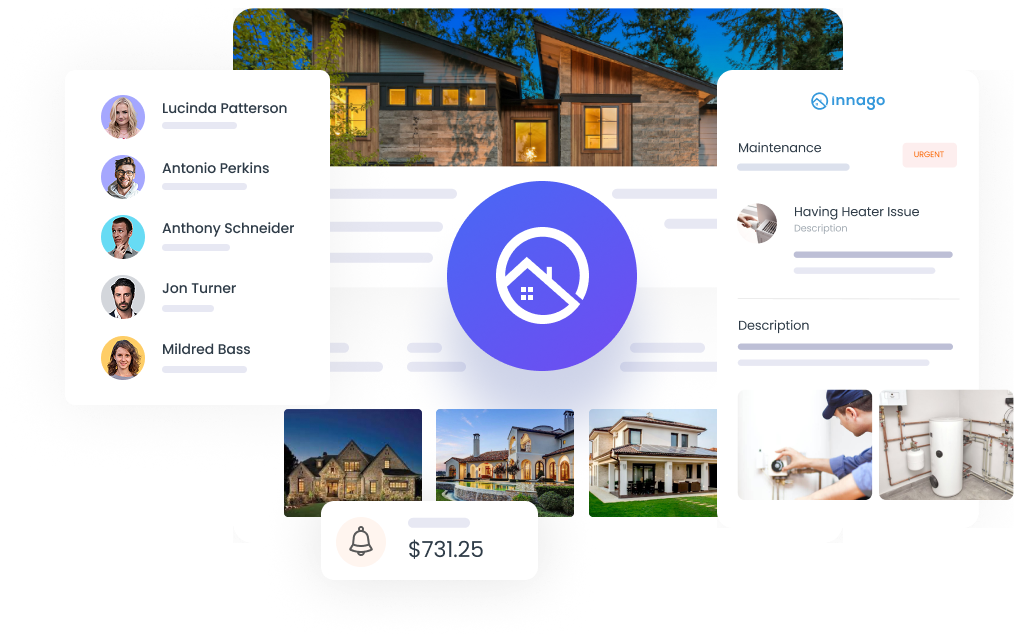
Engineering can turn dispersed property information in to a more arranged management process. Electronic tools will help homeowners entry essential working facts without counting completely on split up records or information tracking.
Greater presence supports quicker comprehension of portfolio activity. When data now is easier to accessibility and coordinate, owners can devote more interest to planning, resident associations, house improvements, and growth opportunities.
What role does data play in portfolio decisions?
Knowledge gives a helpful foundation for understanding trends. Hire revenue, occupancy designs, preservation activity, running expenses, and other property signs might help owners consider how individual assets are performing.
The purpose is not alone to gather information. The greater price comes from applying applicable data to understand habits and support innovative decisions. A consistent review method may make portfolio preparing more purposeful.
Can a growing portfolio benefit from standardized processes?
Absolutely. Reliability becomes increasingly important as the amount of attributes grows. Standardized operations can help homeowners strategy repeating actions with higher structure.
Producing regular workflows for transmission, lease management , preservation coordination, and administrative tasks may reduce unnecessary variation. Additionally it provides homeowners a stronger functional base as they continue increasing their portfolios.
How can owners prepare for future portfolio growth?
Growth becomes easier to manage when systems are designed with expansion in mind. Homeowners may consider whether their recent procedures stay practical as extra properties and people are added.
Scalable engineering can play an important role here. Innago offers house management methods that will support homeowners arrange hire operations while creating functions that help an increasing portfolio.
Why is resident experience important to portfolio performance?
House efficiency is strongly related to the caliber of the resident experience. Obvious conversation, easy processes, sensitive management , and well-maintained attributes may lead to stronger long-term hire relationships.
A portfolio strategy should therefore consider citizens being an crucial section of over all performance. Increasing daily interactions may reinforce the detailed base of specific qualities and the portfolio as a whole.
What current trend is shaping portfolio management?
One of many strongest traits could be the motion toward linked and technology-supported management. Owners increasingly have access to tools that provide different property activities right into a more organized environment.
This generates an opportunity to shift from reactive management toward positive planning. Instead of waiting for issues to appear, owners may review portfolio styles, prioritize improvements, and make choices with a broader view of these assets.
How can mid-year reviews support better decisions?
A mid-year review can provide an invaluable possibility to assess progress and change priorities. Homeowners can examine which qualities are performing well, wherever improvements may be of good use, and whether current techniques continue to help their goals.
This sort of evaluation does not need to be complicated. A targeted evaluation of house efficiency, working efficiency, resident knowledge, and potential options can provide a helpful path for the remainder of the year.
Conclusion
Effective portfolio management is increasingly about visibility, reliability, technology, and long-term thinking. Homeowners who realize how individual properties contribute to broader portfolio targets can make more informed choices and build stronger foundations for growth. With Innago supporting modern property management workflows, real estate owners brings larger organization to daily operations while building an ideal method to their increasing portfolios.